the Whitehead family

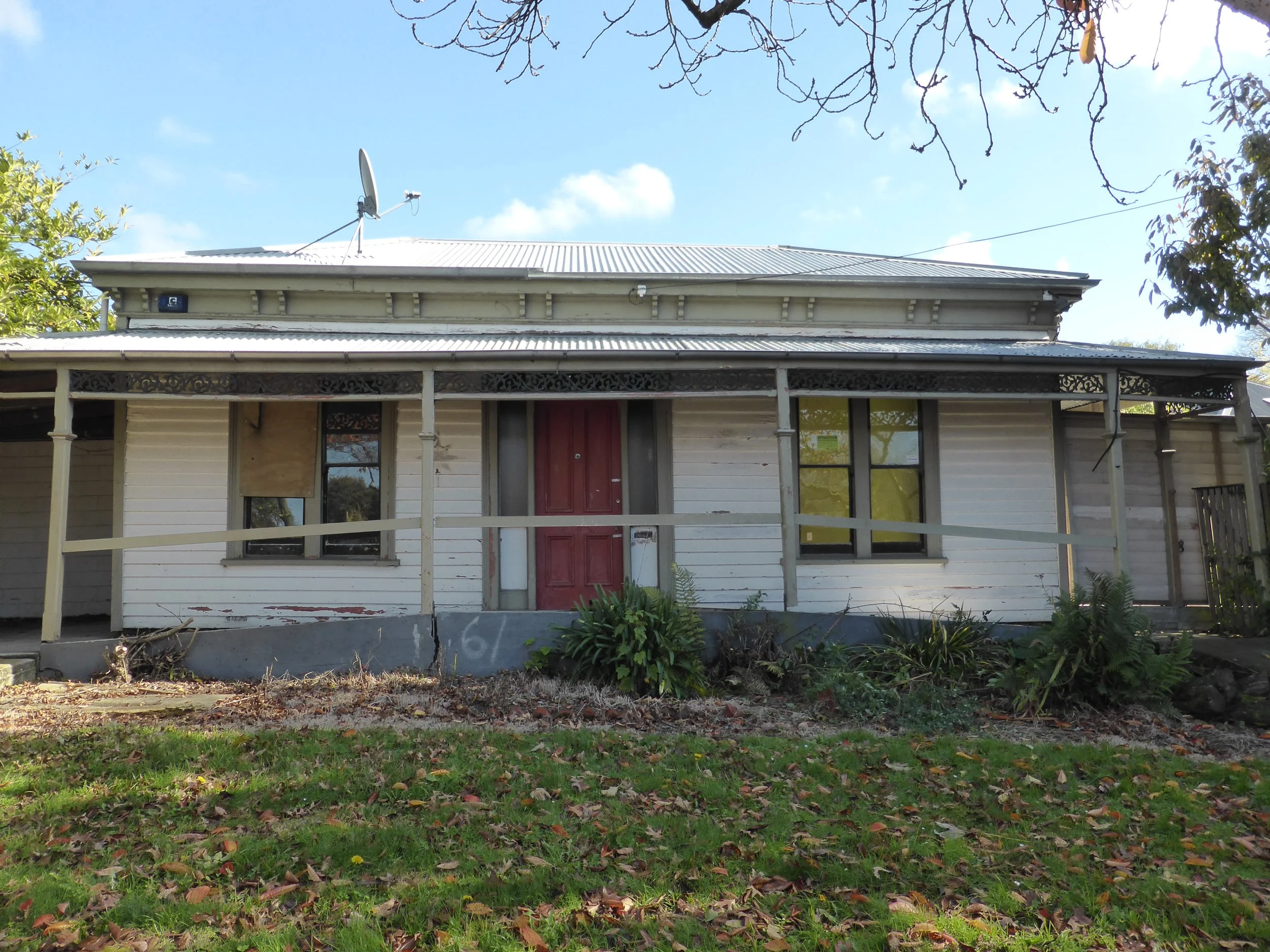
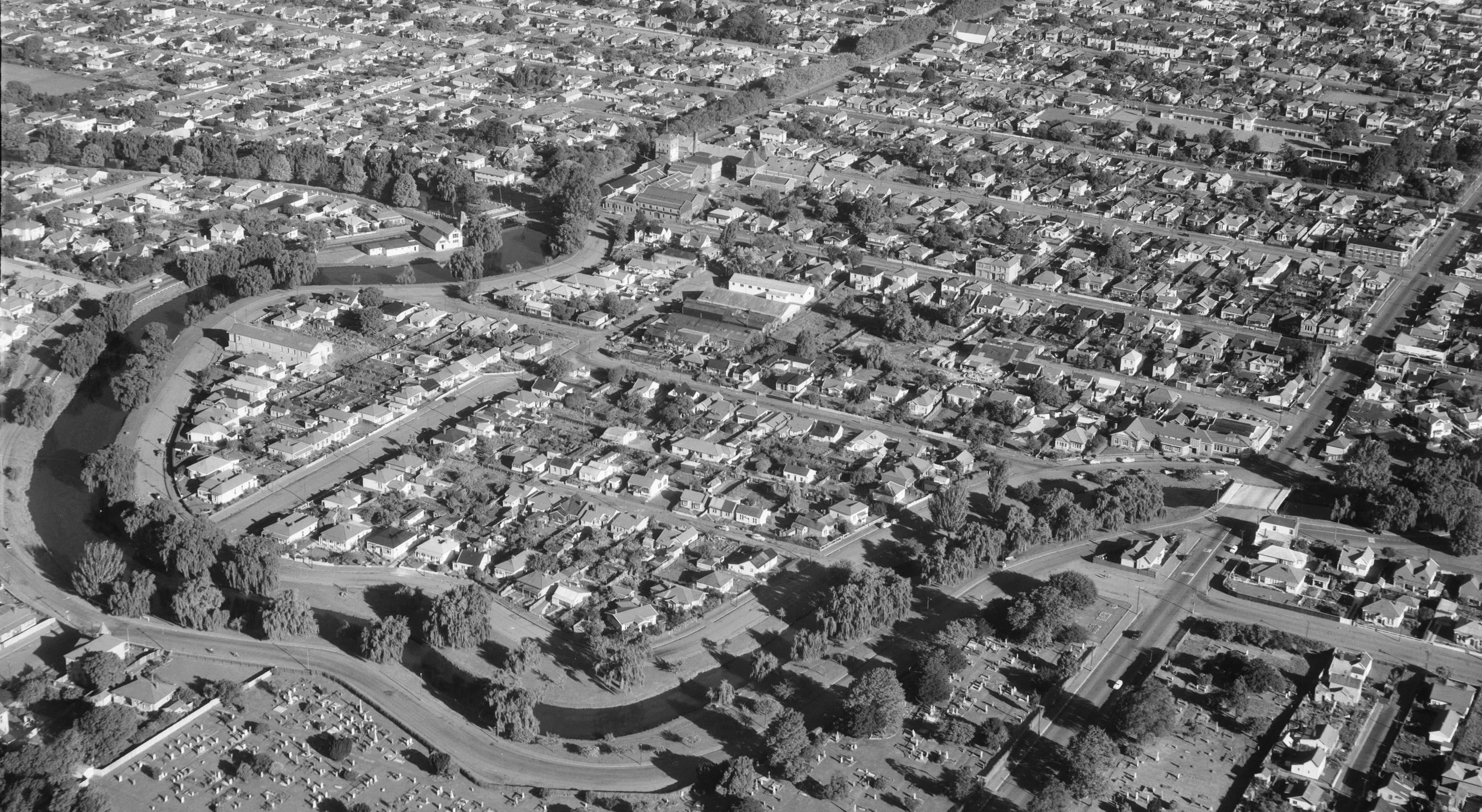
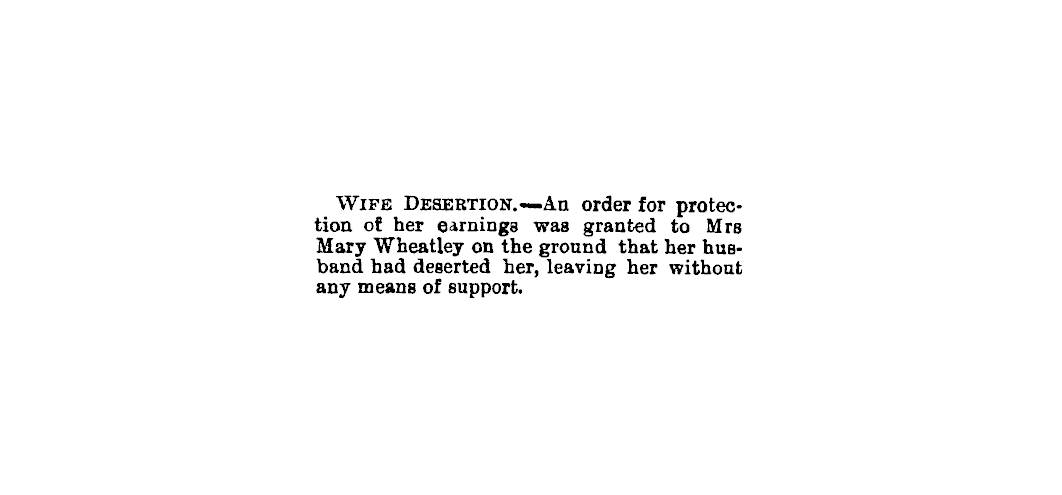
Like the Jensens just down the road, the Whiteheads were early and long-term residents of the loop. They bought their house in Kilmore Street (pictured, along with George and Mary Whitehead) in 1880 and the Whiteheads senior owned it until 1932, after which one of their daughters owned the property.
George Whitehead worked for the post office all his life, and Mary worked as a servant prior to their marriage in 1864. The couple had 12 children between 1865 and 1866. Remarkably, all of them survived until adulthood. The oldest would have been about 15 when the family moved into the Kilmore Street house.
While the house the Whiteheads moved into was pretty and it looked a good size, it had just seven rooms and was no more than 70 square metres, including the hall and landing. With potentially as many as nine children living at home initially, this would have been a tight squeeze.
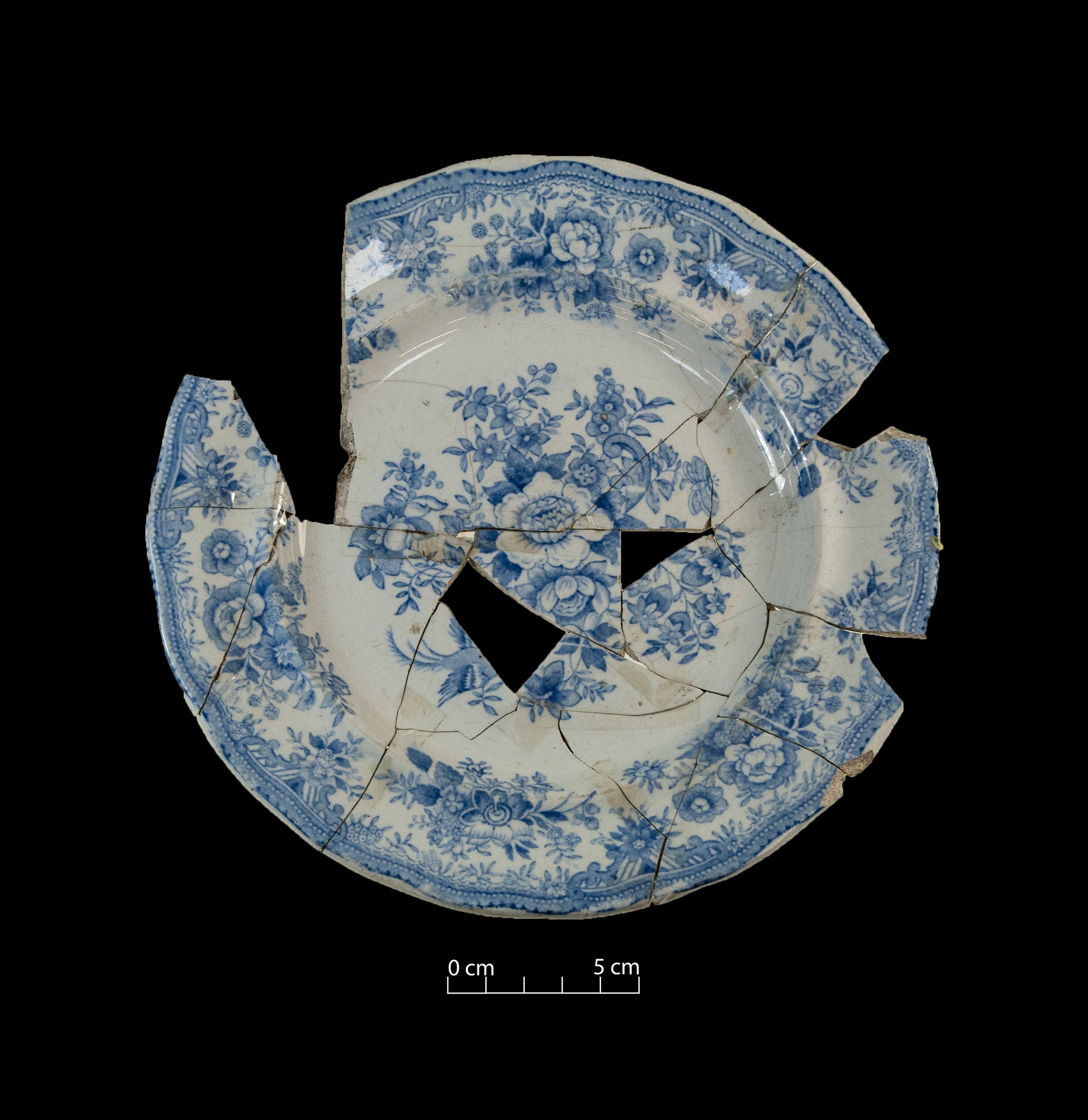
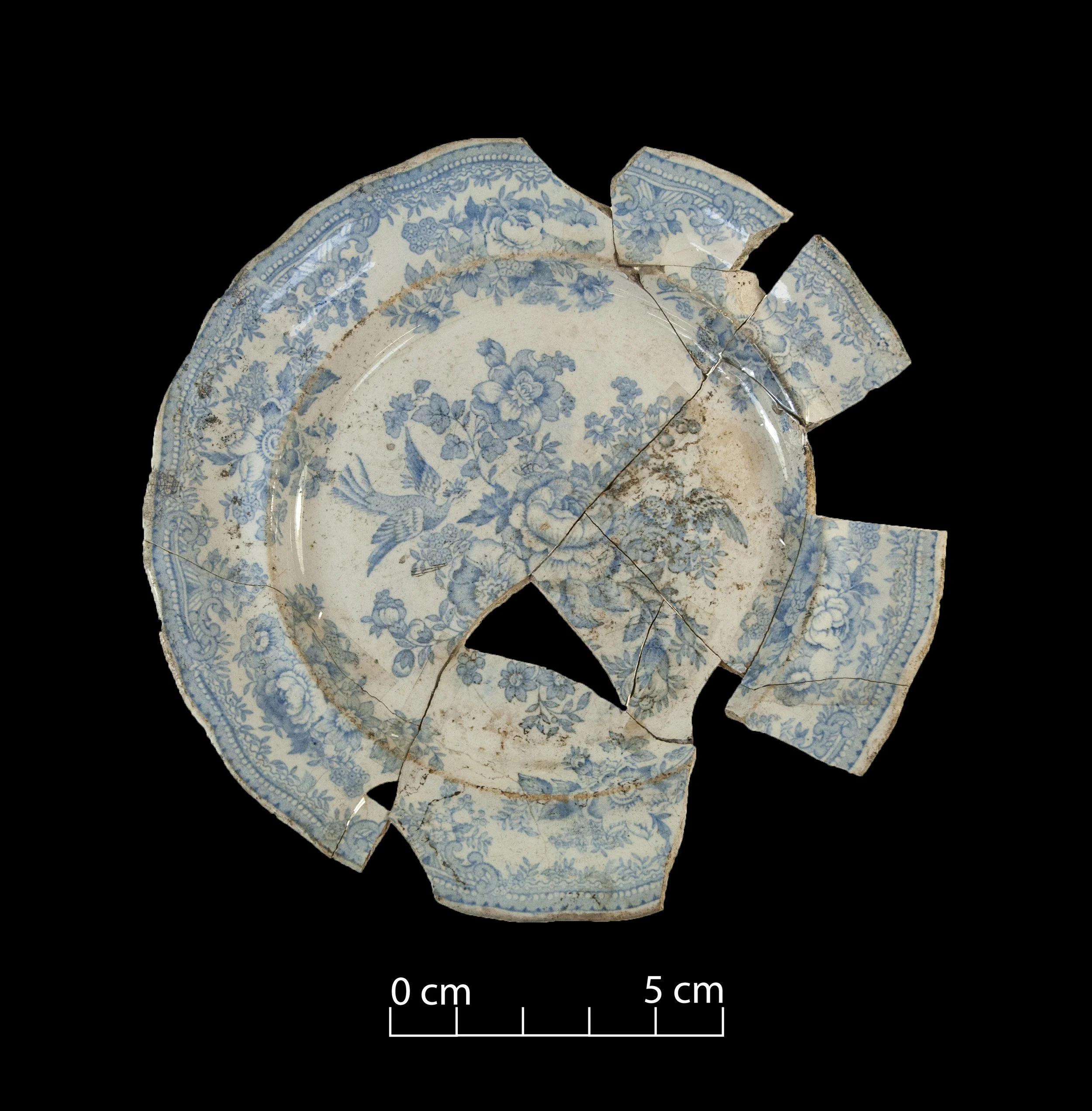
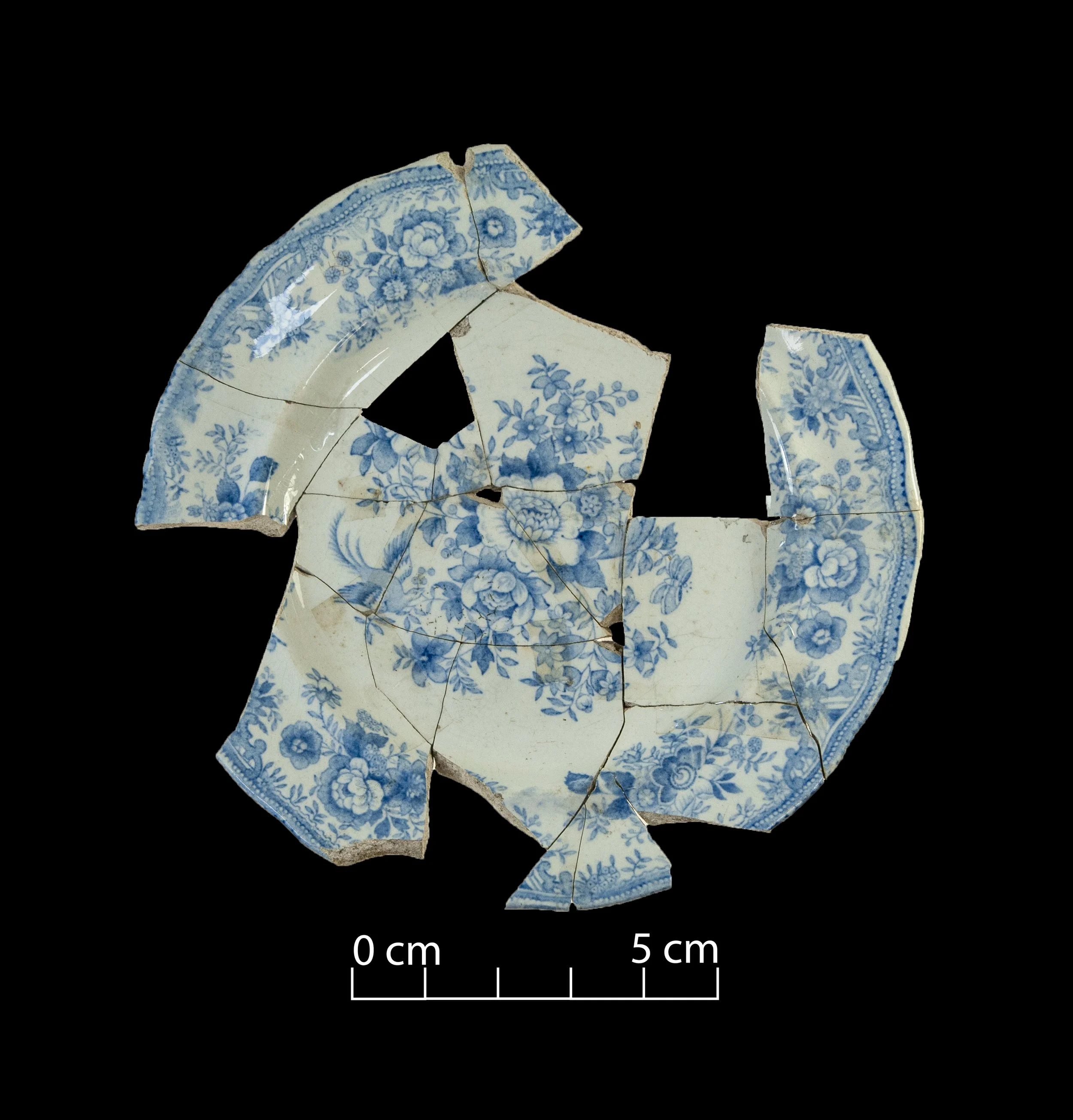
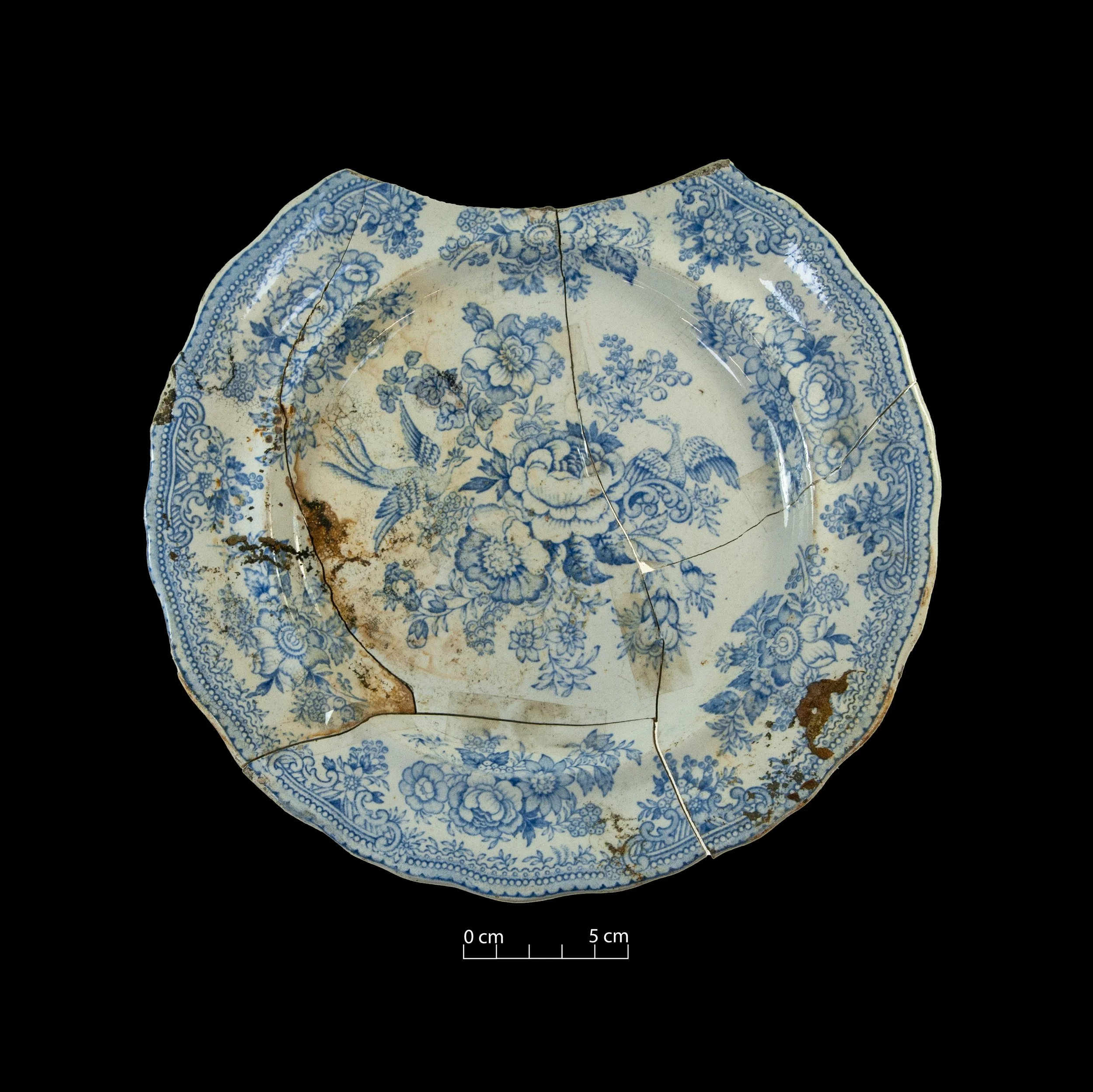
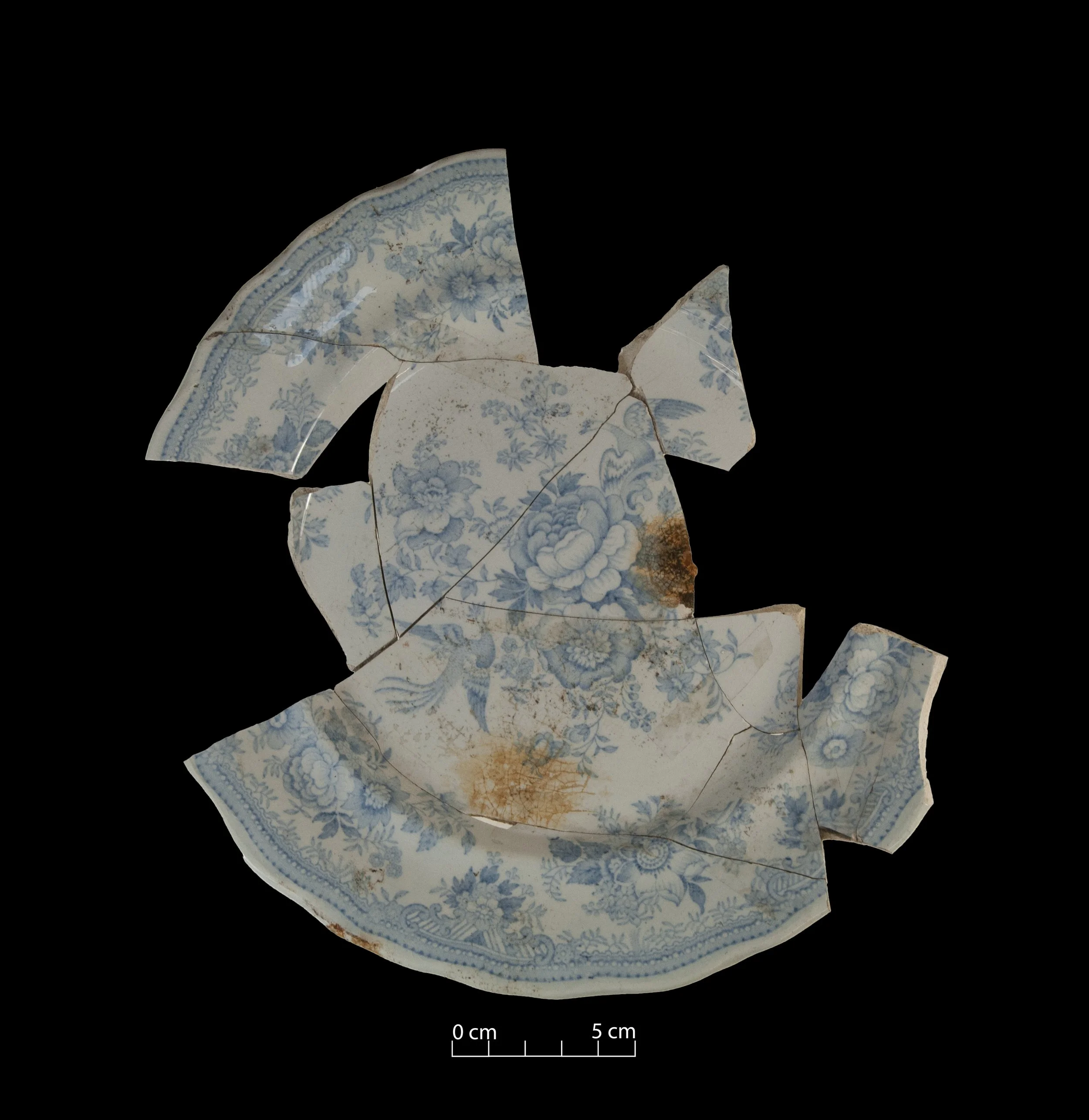
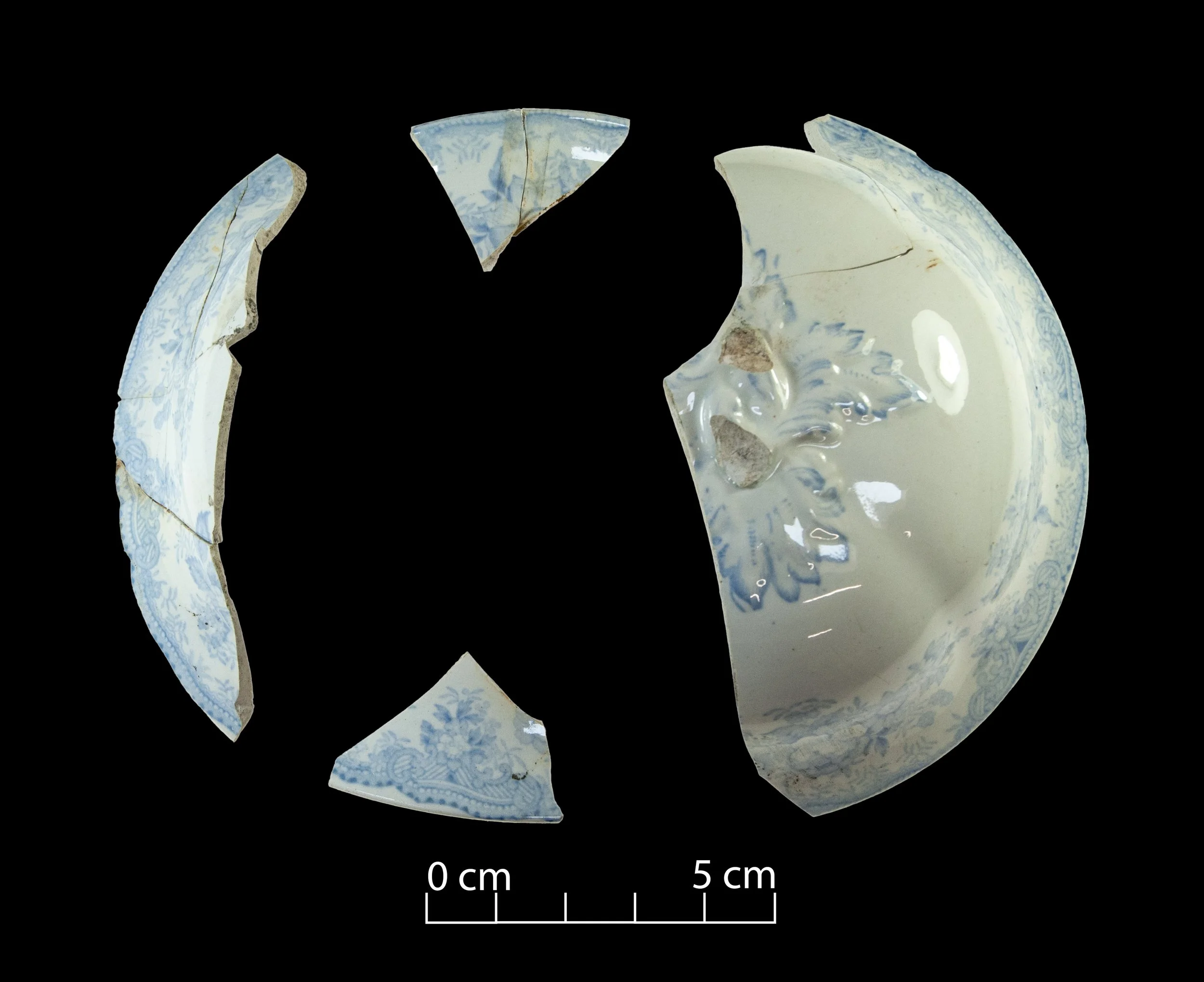
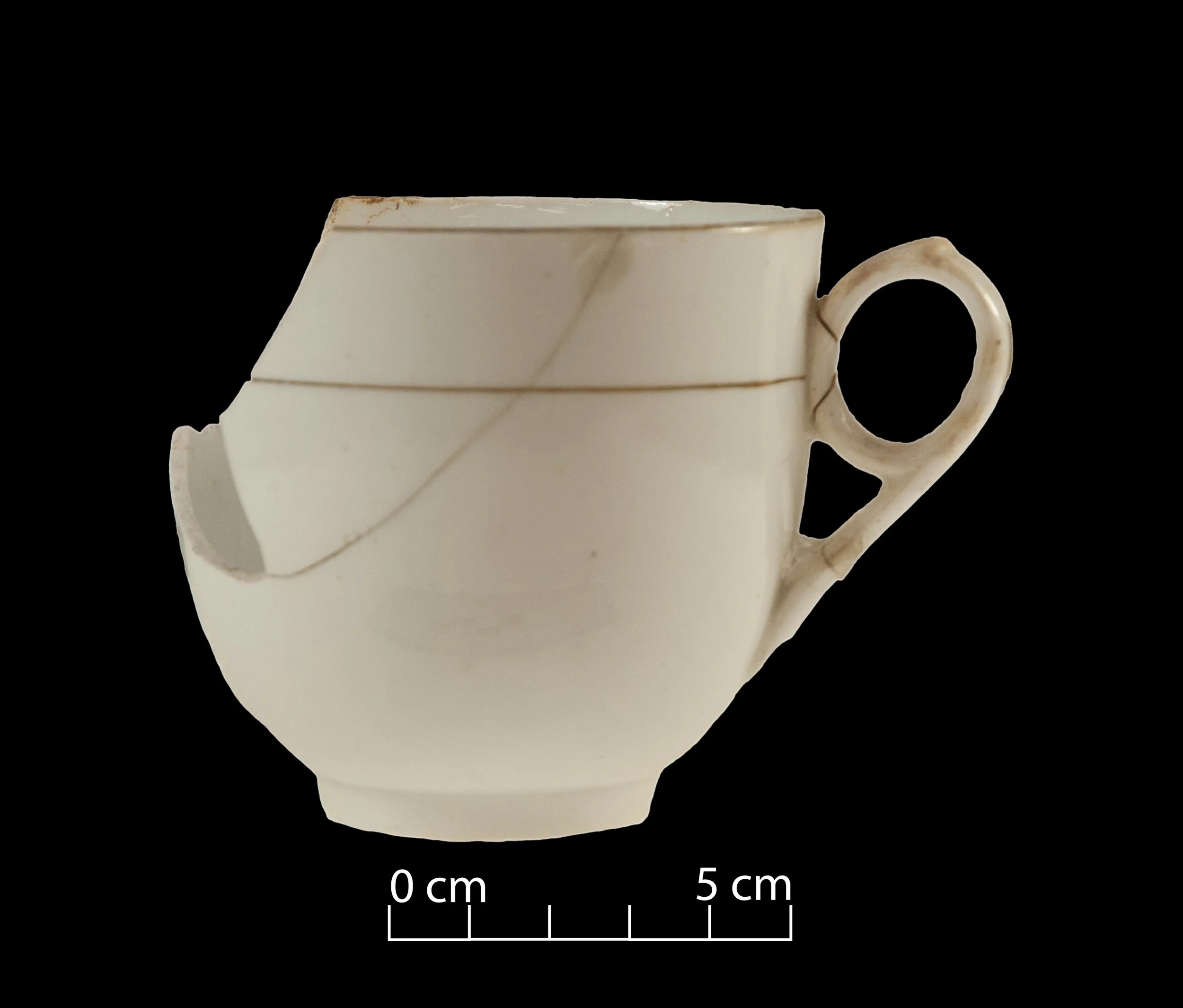
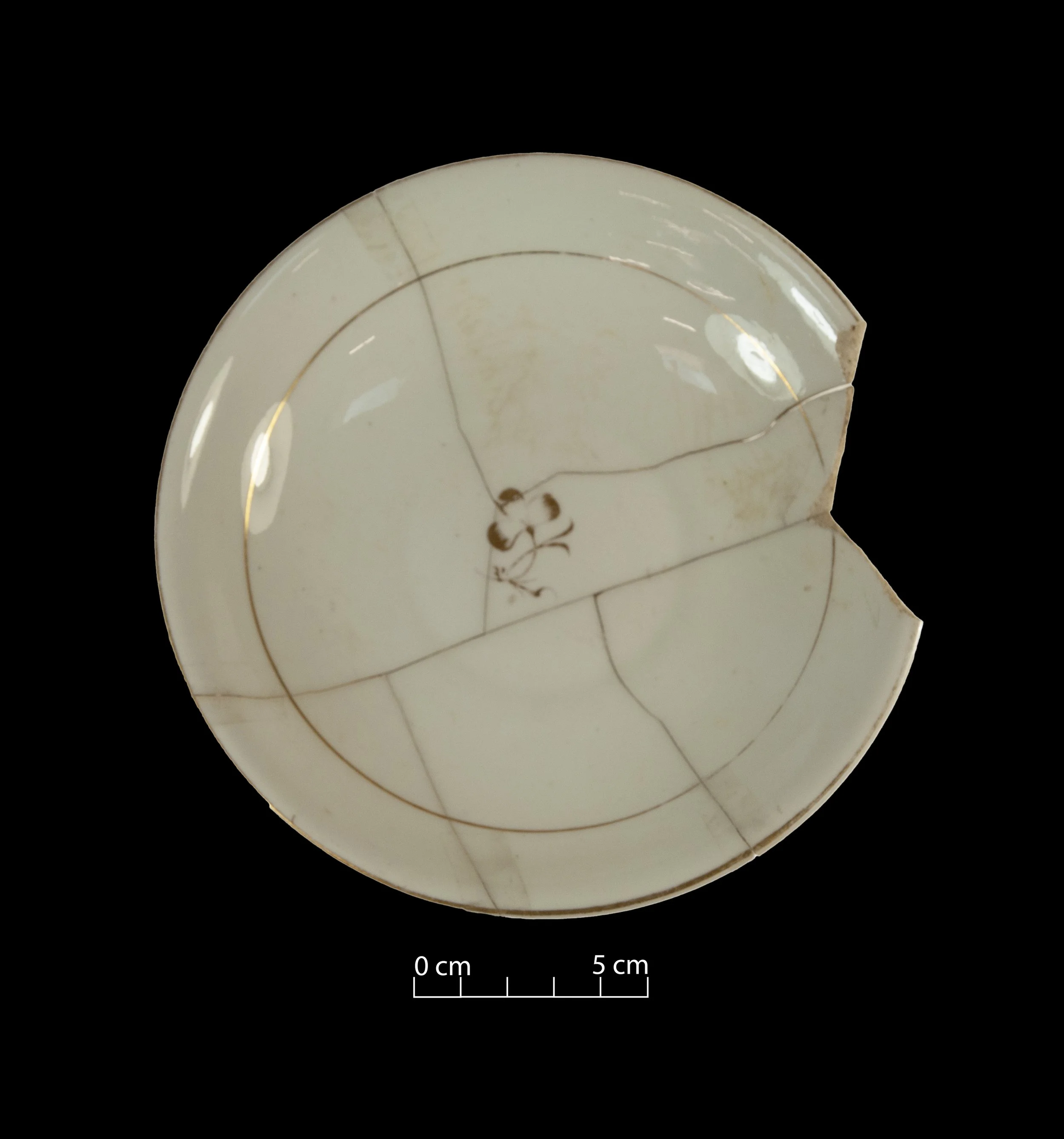
Like the Jensens, the Whiteheads may well have had an Asiatic Pheasants dinner set (pictured). If they had a tea set, it was of the popular bone china gilt tea-leaf style (pictured).
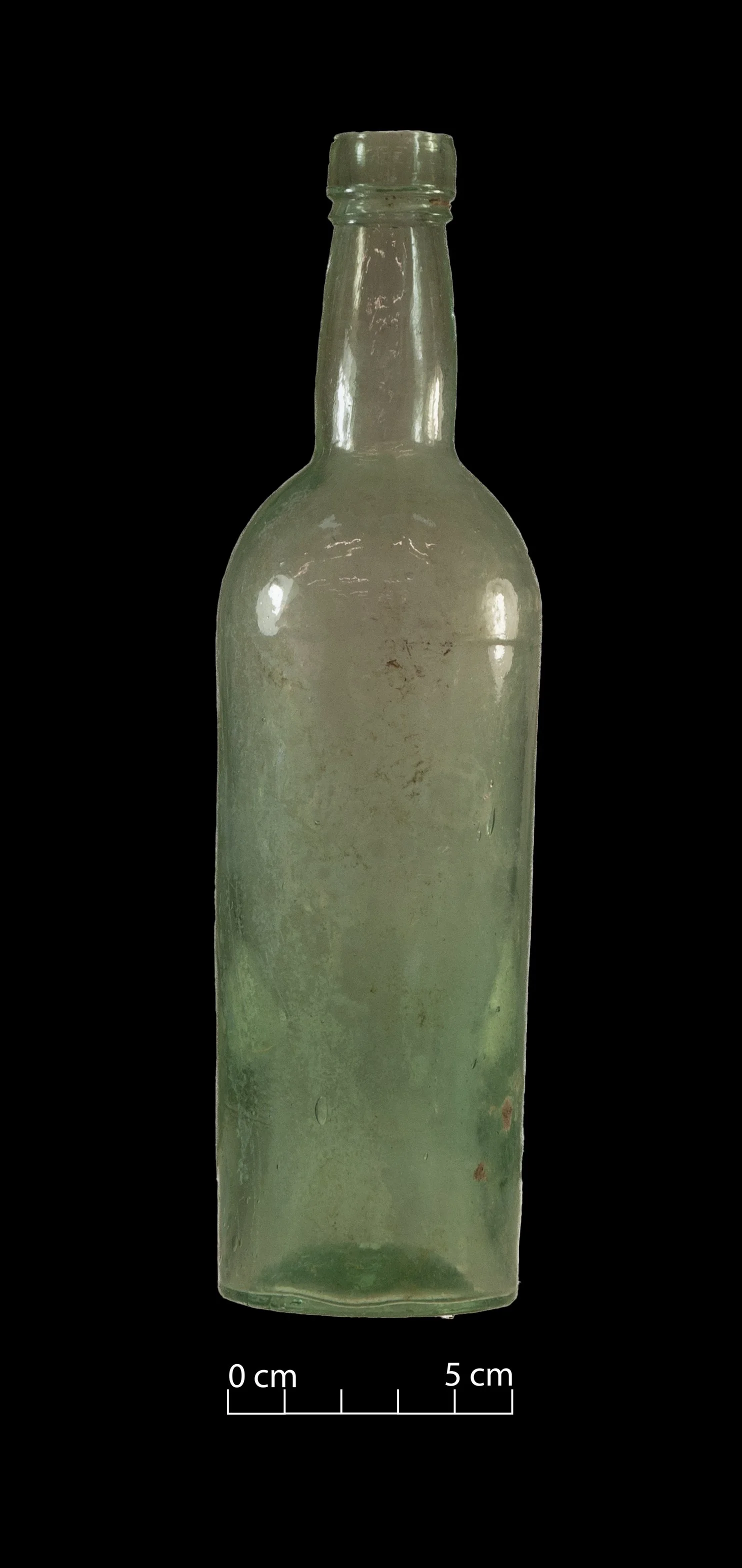
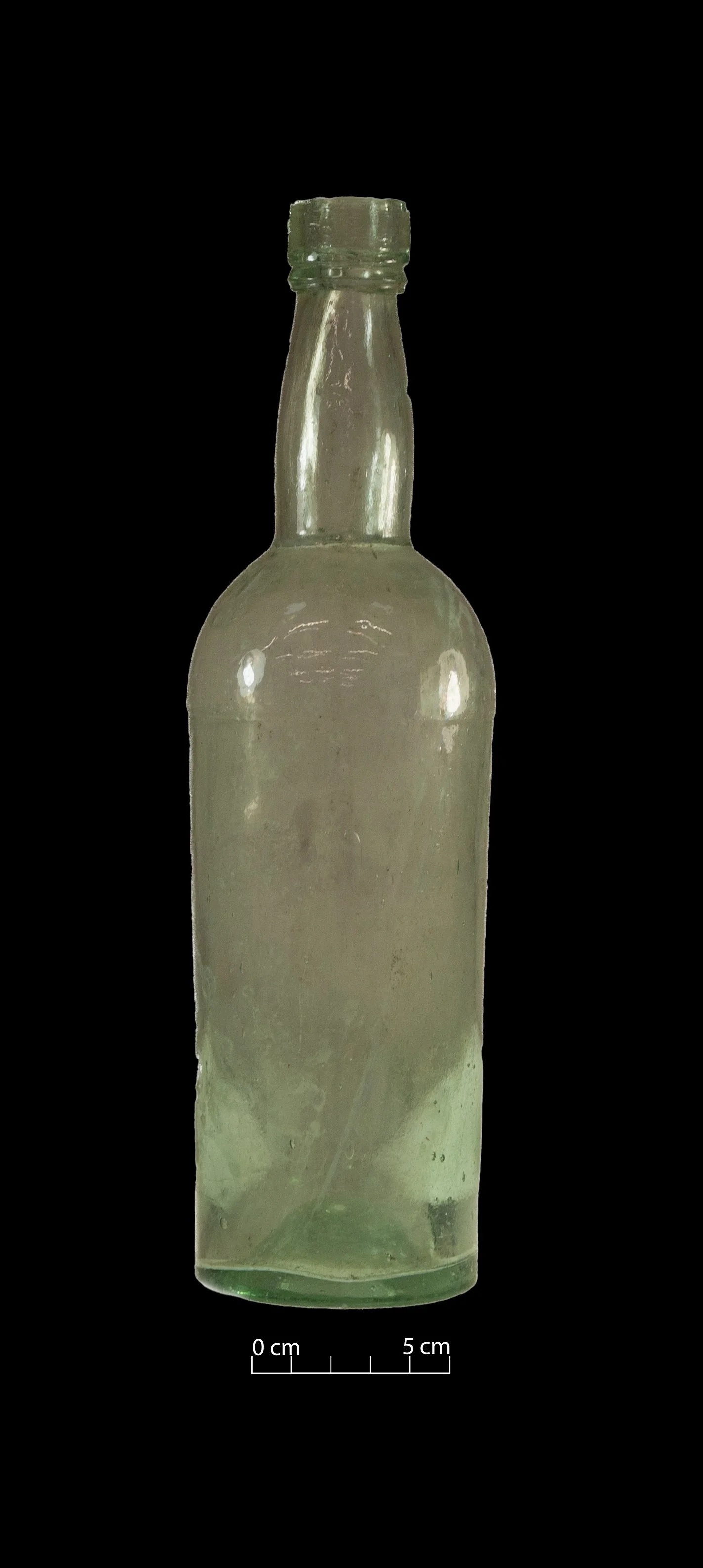
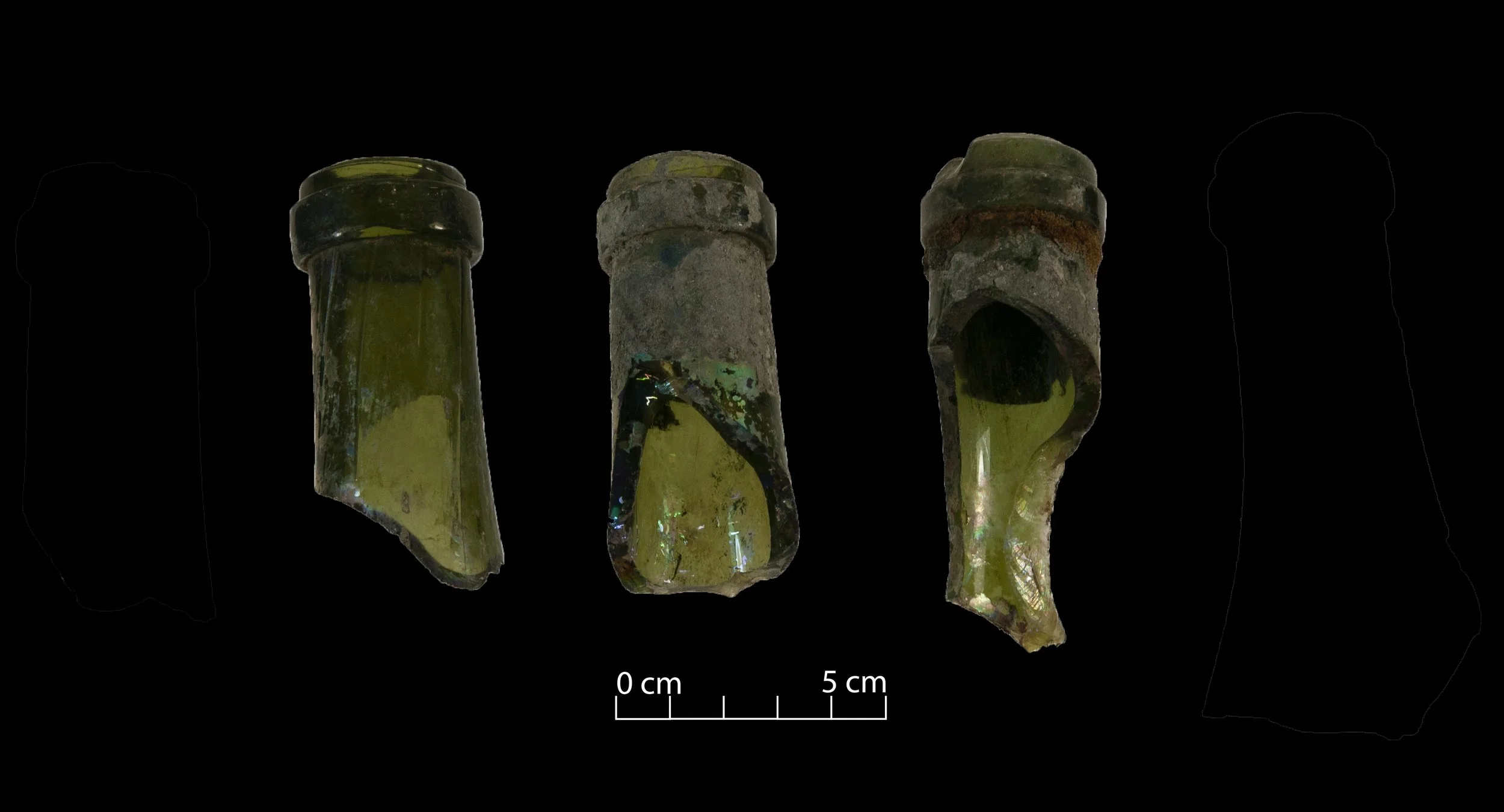
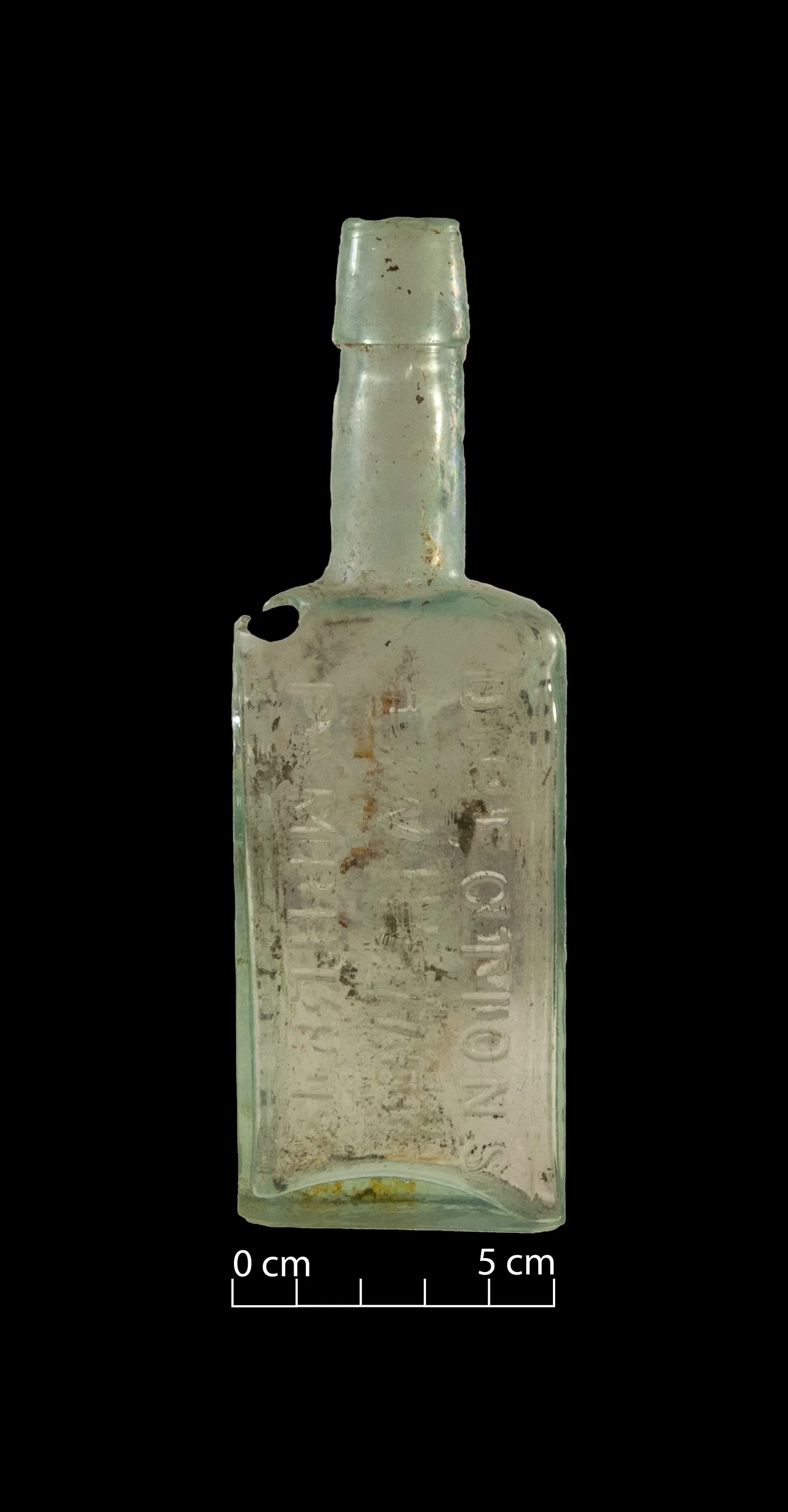
There was Barry's Tricopherous (for hair loss; pictured) and lots of alcohol bottles (pictured), but little in the way of children's toys. So far, fairly standard.
What was unusual about the Whiteheads is their food, which included lots of shellfish, particularly mudsnails. Mudsnails weren't commonly eaten by colonial settlers, but were eaten by Māori. The Whiteheads also ate oysters, pipis, cockles and mussels. And maybe rabbit. In a city where people mostly ate mutton, this was a bit different. Could the Whiteheads have been saving money by gathering the shellfish themselves? Or was it just something they really liked? Or both?