the Oppenheims and mutual aid
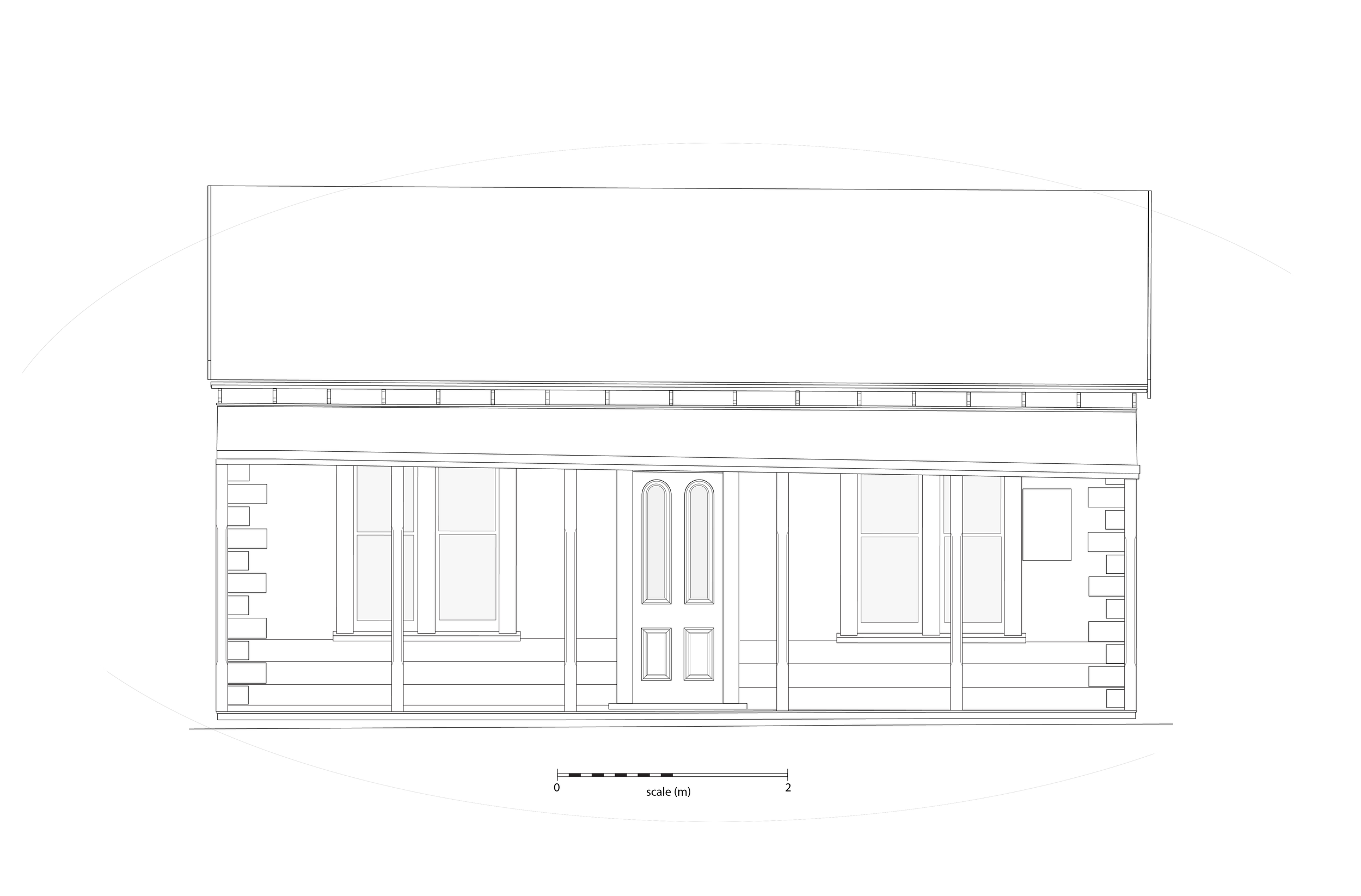
Ernest and Helen (known as Ellen) Oppenheim built a sweet little cottage in Willow Street in the early 1880s. Ernest was born in England, to an English mother and a Dutch father. He and his numerous siblings gradually emigrated to Christchurch, arriving between 1865 and c.1874. Helen arrived with her family in 1863, aged 6.
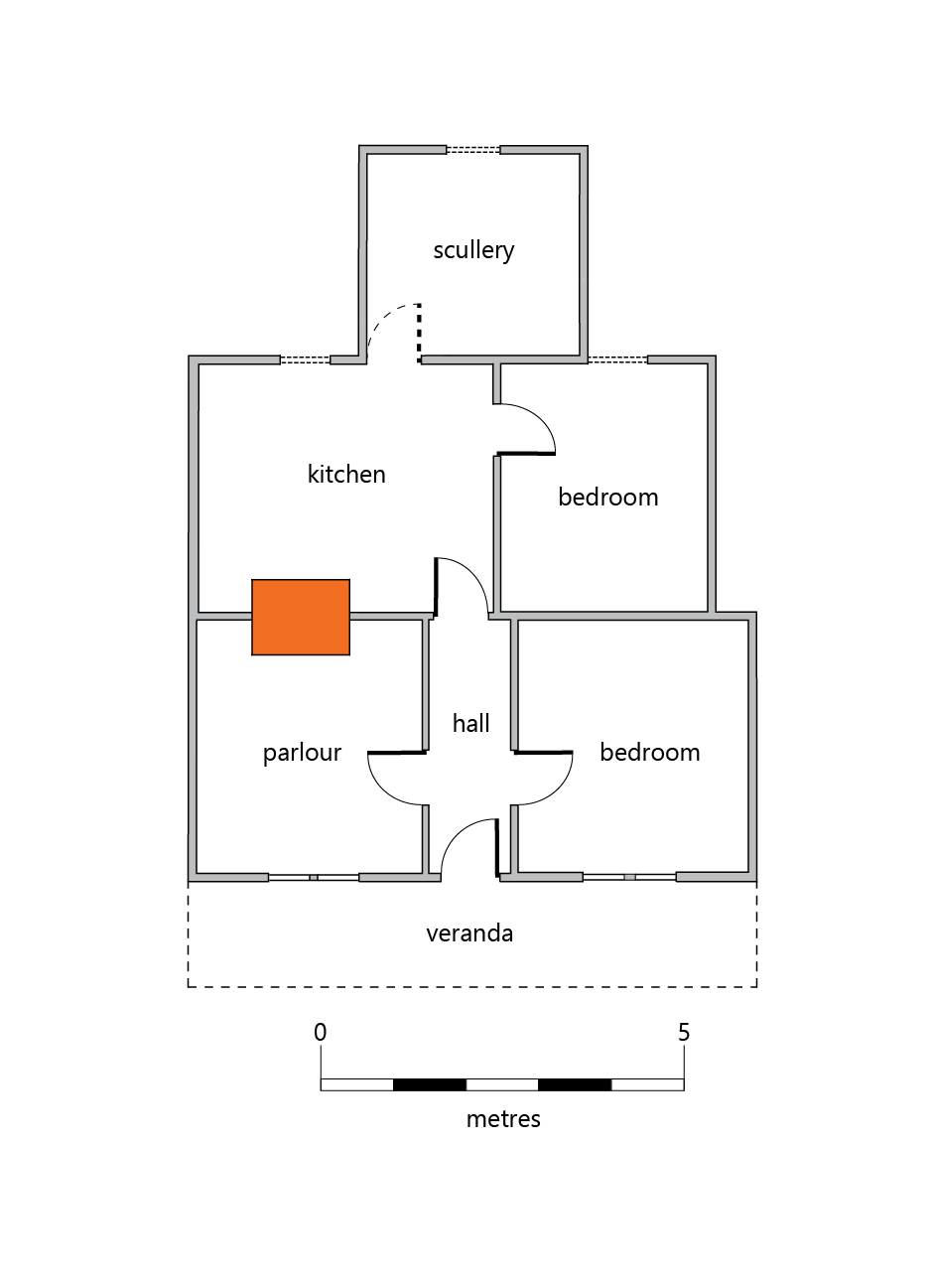
Like many of the houses in the loop, the Oppenheims' cottage was small (six rooms, including the hall, and just over 60 square metres). Unlike many of their neighbours, though, the Oppenheims focused on the appearance of their house, spending money on decorative features on the outside, but saving money on its size and internal linings.
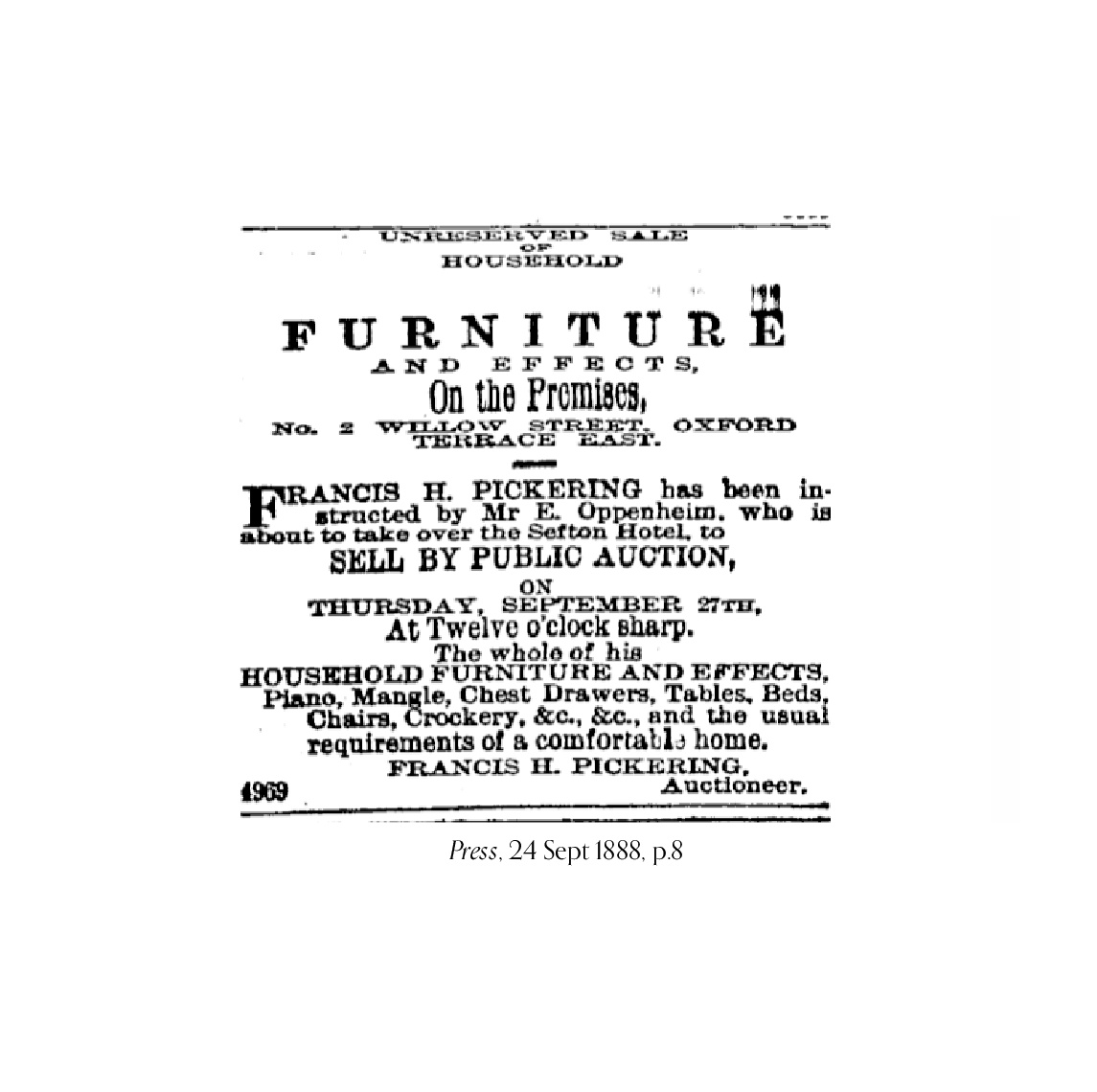
Ernest, a storeman (like Hans Jensen), was a joiner and a do-er. His two main activities whilst living in the loop were the druids and Christchurch Working Men's Cub. Henry Barrett (15 Willow Street) and Theo Spanjer, the brother of Matilda Jones (11 Willow Street), were also members of the working men’s club.
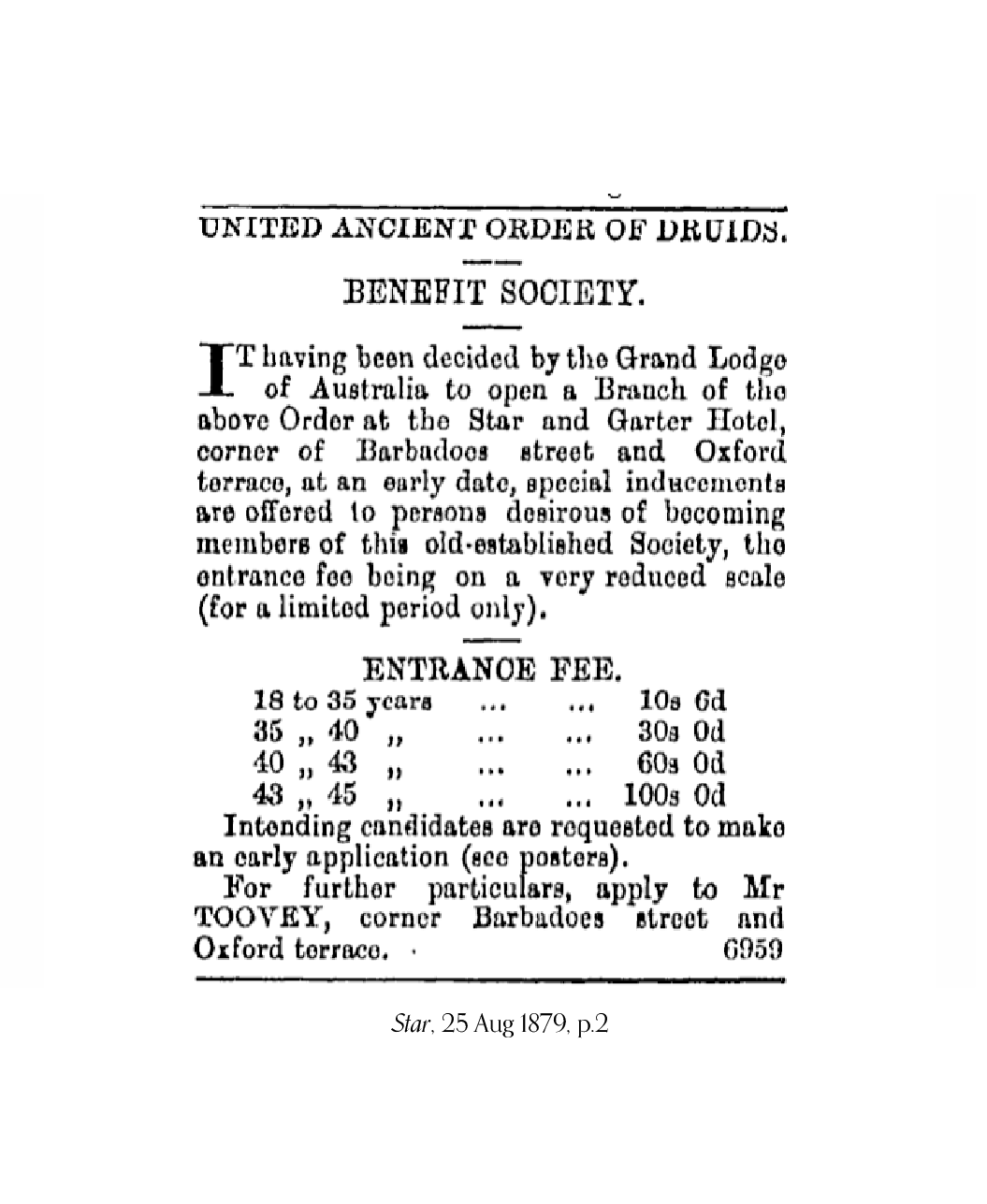
There were several other druids in the loop, including Thomas Bullivant (who married Ernest's sister and later lived at 7 Willow Street), John Stinnear and George Elliot Goodwin. In addition to druids, there were oddfellows, including Hans Jensen. John Toovey, proprietor of the Star and Garter Hotel, was a druid, an oddfellow and, for good measure, a mason. The Star and Garter also played host to numerous druids' meetings. There was at least one woman who was a lodge member: Sarah Borrett (5 Rees Street) had belonged to a temperance lodge, the Hope of Christchurch.
Druids, oddfellows and lodges were mutual aid organisations. Members paid a subscription in return for medical and funeral costs being met in times of need. They might also pay a pension. These organisations were critical in a world without social welfare, and provided important social connections.